


The BBC is within the midst of one other scandal.
Final night time marked some of the dramatic moments within the establishment’s historical past, as each the Director-Normal, Tim Davie, and the Head of Information, Deborah Tanis, resigned following revelations {that a} Panorama documentary had doctored a speech by Donald Trump to create the impression he was explicitly urging on the Capitol Hill rioters.
The BBC has admitted that the edit seemed like a direct name for violent motion, calling it an “error of judgment.”
An inside memo by former BBC worker Michael Prescott additionally highlighted proof of bias in BBC Arabic’s Gaza protection, in addition to debate over impartiality on trans and environmental points, and editorial selections that will have breached the BBC’s personal pointers.
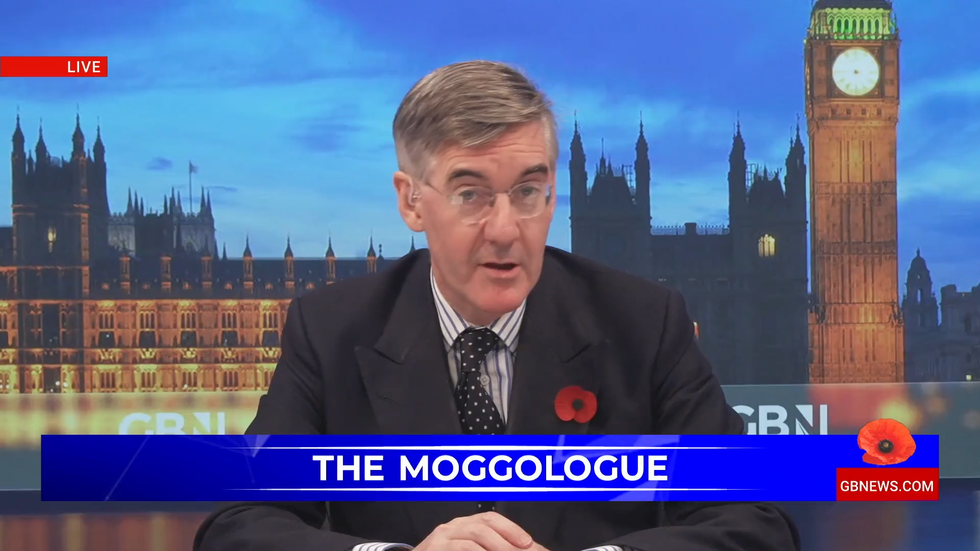
This afternoon, the scandal escalated additional as Donald Trump wrote to the BBC, threatening a £770 million defamation lawsuit beneath Florida regulation if it doesn’t problem a full and correct apology claiming the doctored clip brought on overwhelming monetary and reputational hurt.
So, is it too late to save lots of this once-great establishment? May this be the scandal that lastly topples the BBC?
TRENDING Tales Movies Your Say
For years, critics have argued that the BBC has adopted a slender, metropolitan worldview and grow to be more and more indifferent from a lot of the nation it claims to characterize.
The BBC has constantly denied these claims, insisting it has no institutional ideology or monolithic tradition.
However a sequence of errors, controversies, and upheld complaints has weakened these denials and broken public belief.
When an organisation funded by the licence charge, a tax paid by the general public beneath risk of authorized penalty, makes high-profile editorial errors, it’s much more consequential than a routine newsroom mistake elsewhere.
It undermines confidence within the very notion of a nationwide broadcaster. Extra importantly, it raises the query: is the licence charge mannequin now suffocating the BBC by defending it from competitors, innovation, and accountability?
The BBC of 30 years in the past was a worldwide titan of broadcasting, admired worldwide for its requirements and popularity. However assured funding has dulled its incentive, permitting for cultural drift and making inside reform tougher than in aggressive markets.
If the BBC is to regain public belief, it should embrace commercialisation successfully possession by licence charge payers by way of voluntary subscription or membership.
That will imply audiences select to help it, income relies on efficiency, and impartiality turns into not simply an ambition however an financial necessity.
MORE OPINION PIECES
- Eliminating the highest brass won’t save the BBC. The time has come for Defcon 5 – Carole Malone
- 'Is David Lammy actually the suitable particular person to be on the helm of Britain's justice system?'
- Tim Davie's exit ought to usher within the BBC's Strictly Come Dancing subscription period
Importantly, commercialisation doesn’t imply abandoning what the BBC does greatest.
Regardless of its crises, the company nonetheless has main strengths, together with belongings comparable to iPlayer, which give it the potential to thrive in a aggressive market, if it’s prepared to adapt reasonably than cover behind taxpayer funding.
So, the query is just not whether or not it’s too late to save lots of the BBC. The true query is, is the BBC prepared to save lots of itself?
Our Requirements: The GB Information Editorial Constitution